
Introduction
The cabinet toe kick seems like a missing step, but it’s important for a kitchen since it reduces back strain, keeps cabinets secure, and allows you to add hidden drawers or lighting. In this guide, we’ll talk in detail about the cabinet toe kick, from its definition, advantages, materials, to ideas.
What is Cabinet Toe Kick
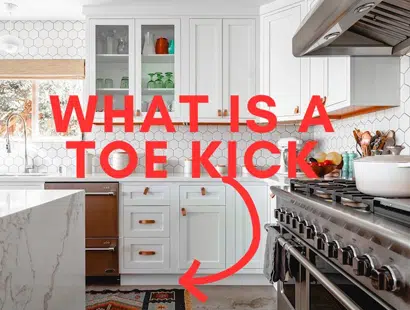
A cabinet toe kick is the recessed space at the bottom of the cabinets. Your feet can get into the little alcove when you’re preparing foods when using countertop. This makes it more comfortable because you don’t have to lean forward as much. Without a toe kick, you’d have to lean back or stand farther away. This makes cooking or washing dishes harder on your back.
Material of Toe Kick
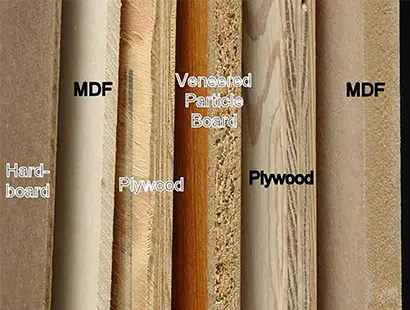
Most cabinet toe kicks are made from medium-density fiberboard (MDF). MDF is strong, smooth, and easy to paint. It won’t warp as much as solid wood when it gets damp. It also costs less than plywood or hardwood.
Some people choose plywood for extra strength. Solid wood toe kicks add a natural look but can swell near wet floors. You might see plastics or vinyl strips in budget cabinets. That can resist moisture but may crack over time.
Advantages of the Toe Kick
Here are the top benefits you get when you add a toe kick under your cabinets:
- Ergonomic Comfort
When you stand at the counter, a cabinet toe kick lets you get closer without having to bend forward too much. This gentle gap lowers back strain while cooking or washing dishes, and you are more comfortable working for longer periods.
- Improve Your Workstation Accessibility
You’ll be easy to access and get stuffs on the counter of cabinet, as toe kick makes you’re closing to countertop. You don’t have to stretch as far, which can be useful when you’re chopping vegetables, kneading, or other kitchen work.
- Protection for Your Cabinets
Think about when you’re walking around in your kitchen. You may accidentally kick the bottom of the cabinets. A toe kick keeps feet, spills, and vacuum cleaners from hitting the cabinet face. If water pools on the floor, the raised base stops wetness from leaking in.
- Aesthetic Integration
A matching toe kick hides the gap under your cabinets for a clean look. You can customize it in the same color as your doors. Or you could even add beautiful trim or curves that complement your kitchen style. This makes the toe kick appear as part of the cabinet.
- Additional Storage Possibilities
Some designers fit hidden pull-out drawers into the toe kick. These drawers are great for small items like spice packets, scrub brushes, or trays. They make use of the usually wasted 3″×4″ space. In a small kitchen, toe kick drawers can free up shelf space above.
- Customization and Style
You can shape your toe kick with decorative arches, moldings, or metal strips. Motion-activated LED lights add a soft glow under cabinets at night. If you want a modern look, choose a flush-mount toe kick that meets the floor. For a furniture feel, add legs or arched valances to add interest in the look.
- Standard Toe Kick Measurements
Most of the time, a standard toe kick is about 3 inches in height and about 4 inches in depth. These measurements are common because they usually provide enough space for most people’s feet to fit comfortably. However, sometimes these dimensions can be a little different depending on the design of the cabinets or if someone needs more or less space.
The Different Types of Toe Kick Styles
Although the basic idea of a toe kick is the same, there are a few different ways they can look:
Standard Toe Kick
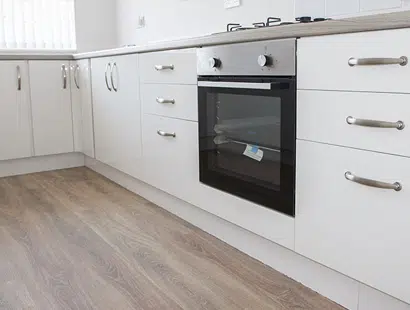
It’s a simple recessed space at the bottom of the cabinets, which means that it goes inwards a bit, creating that little nook for your feet.
Flush Mount Toe Kick
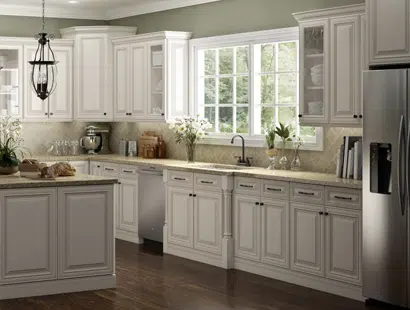
A flush mount toe kick extends the cabinet front all the way to the floor. It offers your kitchen with a seamless “built-in” look and hides the toe kick completely. This style gives your kitchen a modern feel but needs precise installation to prevent gaps.
Arched Valance
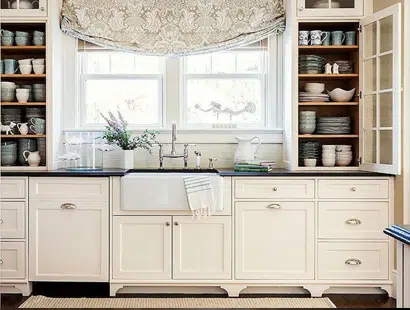
An arched valance is a decorative curved trim over the toe kick. It adds character and visual attraction to plain cabinets. You might see soft half-circles or scalloped edges carved into wood. This kind of style goes well with farmhouse or country kitchens.
Furniture Feet
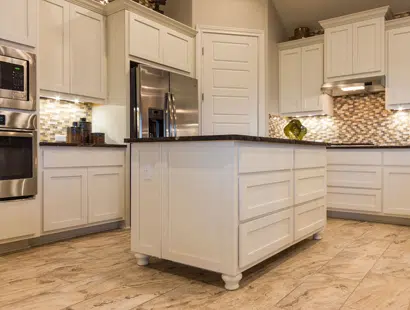
Instead of a solid piece along the bottom, some cabinets have individual legs or feet at the corners. This style makes the cabinets look more like a piece of furniture that’s standing on its own.
Toe Kick Design Ideas
To better utilize the toe kick, you can follow bellow three creative ways create a toe kick
1. Toe Kick Drawers
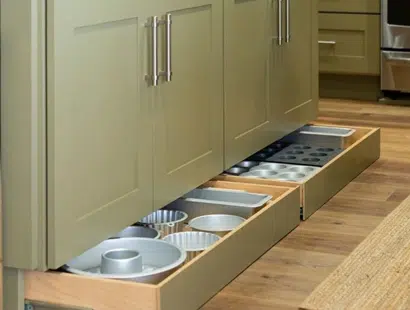
Install slim pull-out drawers in the toe kick. These are perfect for flat items like baking trays or spice packets. They slide out smoothly and hide under the cabinet when not in use. Small kitchens gain big storage with this trick.
2. Toe Kick Lighting
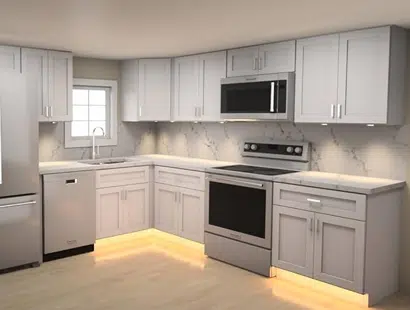
Imagine little lights along the bottom of your cabinets that turn on when you walk by! Toe kick lighting does just that. They’re motion-activated lighting, which means they sense movement. This can be useful for guiding your way in the kitchen at night.
3. Toe Kick Vacuum
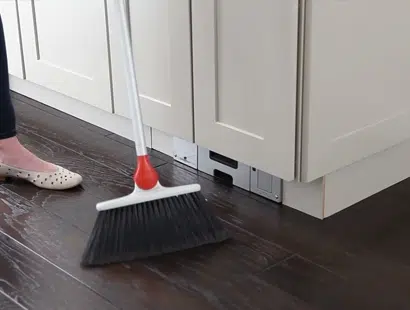
Build a small vacuum inlet into the toe kick. You step on a switch plate and crumbs sweep right into a hidden bin. It works like a mini central vacuum for rapid cleanups. No bending or dustpan needed—just sweep toward the toe kick and the vacuum sucks them away!
Conclusion
Cabinet toe kick might look like a minor and simple part of your cabinets, but it plays an important function in making your kitchen more comfortable, functional, and even stylish. From giving your feet a place to rest to offering extra storage or lighting, this little space is definitely something to appreciate!
FAQs
1. Do I Need a Toe Kick?
If you frequently cook or wash dishes, a toe kick provides space for your feet while also protecting your cabinets. It makes standing more comfortable and helps your cabinets last longer.
2. Does a Toe Kick Should Be Installed Before or After Flooring?
It’s generally best to install the flooring first and then put the toe kick on. Therefore, the toe kick rests neatly on top of the floor and has a clean appearance.
3. Is There Any Reason to Change the Dimensions of Your Toe Kick?
You need to adjust height or depth if your flooring is thicker than usual or if you need extra foot space. Always measure from finished floor to cabinet bottom.
Related Resouces
How to Install Toe Kick On Cabinet – Youtube
 English
  German
  French
  Spanish
  Portuguese
  Turkish
  Dutch
Dutch