
Introduction
Have you ever noticed that small, hidden space at the bottom of your kitchen cabinets? That recessed area is called a toe kick, and more homeowners are choosing to skip it completely. Cabinets without a toe kick—also called furniture-style cabinets, leg-supported cabinets, or floor-standing cabinets—sit on decorative feet or extend straight to the floor.
This design choice creates a custom, high-end appearance that looks like freestanding furniture rather than built-in cabinetry. This guide breaks down the real advantages and drawbacks about cabinets without toe kick, so you can decide if this style works for your kitchen.
What is a Traditional Toe Kick?

A traditional toe kick is a recessed space at the bottom of base cabinets. The standard size runs 3″-4″ deep and 4″-5″ high. This gap serves an important purpose: it lets you stand close to the counter without your feet hitting the cabinet face. When you’re chopping vegetables or washing dishes, your toes naturally tuck into this space.
The toe kick area typically consists of a separate piece of material—often matching cabinet materials like wood or vinyl. This piece hides the cabinet frame and the leveling feet that installers use to make everything sit level on uneven floors. Some homeowners use this space for toe-kick drawers, which provide shallow storage for baking sheets or cutting boards.
What “No Toe Kick” Looks Like

When you remove the toe kick, you get three main design options:
Furniture Feet or Legs: This is the most popular choice. Kitchen cabinets rest on exposed, decorative legs that lift the box 4″-8″ off the floor. These legs can be turned wood, sleek metal, or carved details that match your kitchen style. The space between the legs and floor stays open.
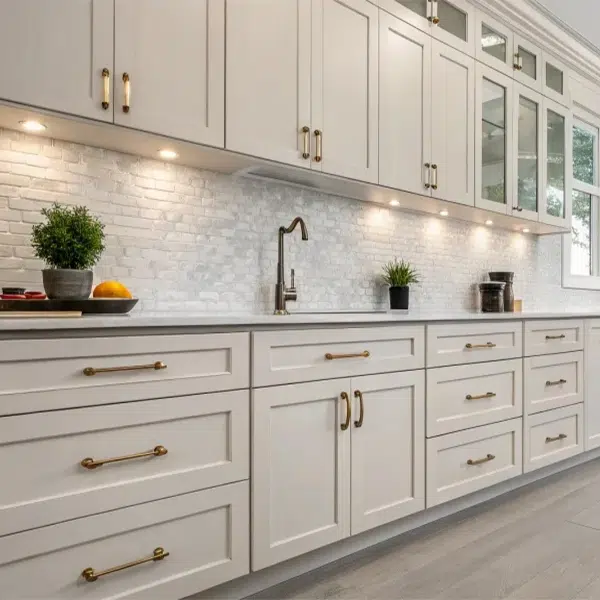
Continuous Plinth Base: The cabinet box extends all the way down to the floor without any recess. This creates a solid, block-like appearance. There’s no gap—the cabinet face meets the floor directly.
Suspended or Floating Cabinets: Some designers mount wall cabinets completely off the floor, leaving open space underneath. This is less common for base cabinets but creates a dramatic look.
Each option changes how your kitchen feels and functions. Legs show off your flooring and create an airy feel. Plinth bases look bold and modern. Both options move away from the standard built-in cabinet look.
The Pros
Elevated Aesthetic
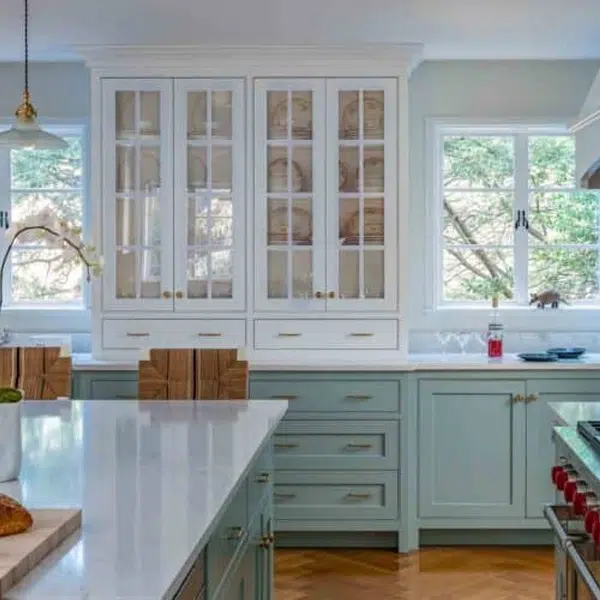
Cabinets on decorative legs mimic the look of expensive, freestanding furniture. Think about a quality sideboard or dresser—those pieces sit on feet, not flush to the floor. When your kitchen cabinets follow this pattern, they feel less like construction and more like carefully chosen furniture pieces.
This design choice breaks up the visual weight of continuous cabinetry. Instead of one long wall of cabinets, you see individual pieces with space between them and the floor. Your flooring runs uninterrupted underneath, which makes the room feel larger. In a small kitchen, this visible floor space tricks the eye into seeing more square footage than actually exists.
The furniture-style approach works beautifully with shaker cabinets, transitional designs, and farmhouse kitchens. It adds a custom, built-for-you feeling that standard cabinets don’t provide.
Maintenance and Hygiene
Cleaning becomes much simpler when you can access the floor under your cabinets. With exposed legs, you can run a vacuum or mop straight under the cabinet without stopping. Crumbs, dust, and pet hair don’t pile up in an unreachable space. Traditional toe kicks create a narrow gap that’s awkward to clean—you need a special brush or you just ignore it.
Open space under cabinets also means fewer hiding spots for pests. Bugs and mice prefer dark, enclosed areas where they won’t be disturbed. When light reaches under your cabinets and you clean there regularly, these spaces become less attractive to unwanted visitors.
If you drop food while cooking, you’ll find it and clean it up instead of losing it in the toe kick gap. This keeps your kitchen more sanitary over time.
Enhanced Design Detail
Decorative legs and feet give you a chance to add personality to your kitchen. You can choose:
- Carved wooden legs with traditional details
- Sleek metal legs in brushed nickel or matte black
- Contrasting wood species (dark walnut legs under white cabinets)
- Simple turned legs or complex carved designs
These details work as design statements. They’re the kind of touch you see in high-end showrooms and custom homes. When combined with choices like cabinet hardware and two-tone finishes, decorative legs help create a unique kitchen that doesn’t look like anyone else’s.
The Cons
The Ergonomic Trade-Off
Here’s the biggest problem with no-toe-kick cabinets: you can’t get as close to the counter. Your feet hit the cabinet face, which forces you to lean forward. This puts strain on your lower back.
When you’re standing at the counter for 5 minutes, this isn’t a big deal. But if you spend 30 minutes chopping vegetables or kneading dough, that extra leaning adds up. Your back starts to hurt. Taller people notice this more because they lean from a greater height.
Traditional toe kicks exist specifically to solve this problem. The 3″-4″ recess lets you stand upright with your body weight over your feet. Without that space, you’re always slightly off-balance, working at an awkward angle.
If you cook often and for long periods, this ergonomic issue matters a lot. If you mostly reheat food and do quick meal prep, you might not notice the difference.
Installation & Leveling Complexity
Standard cabinets hide mistakes. The toe kick covers shims, leveling feet, and small gaps between the cabinet and an uneven floor. Nobody sees these adjustments.
With no toe kick, everything shows. If your floor slopes even slightly, you’ll see it. The cabinet base must be perfectly level and square across the entire run. This requires:
- More installation time: Installers work slower to get everything precise
- Higher labor costs: You’re paying for skill and attention to detail
- Better materials: Cheap materials show flaws more obviously
- Professional installation: This isn’t a good DIY project
The installation process becomes similar to installing high-end furniture rather than construction-grade cabinets. Some installers charge 20%-30% more for furniture-style cabinets because of the extra work involved.
If your home has older floors that aren’t level, you might need floor repairs before installation. This adds even more cost to the project.
Vulnerability to Damage
The bottom of your cabinets takes a beating. Feet kick it accidentally. Mops hit it during cleaning. Water splashes it when you’re doing dishes or cleaning the floor.
Traditional toe kicks handle this abuse because they’re made from durable materials and sit back from the main cabinet. With exposed bases, damage happens more easily:
- Scuff marks from shoes and feet appear on the cabinet face
- Water damage from aggressive mopping can harm laminate or wood finishes
- Scratches show up on glossy finishes
- Debris collects between decorative legs
You need to be more careful when cleaning. Wet mopping requires you to wipe the cabinet base dry afterward. The gaps between legs catch debris that you need to clean manually—a vacuum won’t always fit.
Material choice matters more with exposed bases. High-gloss cabinets show every scratch. Solid wood handles moisture better than MDF in these exposed conditions.
When to Choose “No Toe Kick”
Style is your top priority. You want a kitchen that looks like a designer showroom, and you’re willing to accept some ergonomic trade-offs for that appearance.
You have a smaller kitchen. Showing the floor underneath makes the space feel larger. In a cramped kitchen, this visual trick helps the room breathe.
Your budget allows for precision work. You can afford to pay skilled installers who will take the time to get everything perfect.
You don’t cook marathon meals. Your typical cooking sessions last 15-20 minutes, not hours. The ergonomic issues won’t bother you much.
You want a furniture aesthetic. Your home has a traditional, farmhouse, or transitional style where furniture-style cabinets fit naturally.
Working with a professional manufacturer like AJ Flying helps because they can custom-build cabinets specifically designed for leg mounting, with proper reinforcement and precise dimensions.
When to Stick to Tradition
You cook frequently and for long periods. If you spend an hour or more preparing meals regularly, the ergonomic comfort of a toe kick recess matters for your back health.
You want toe-kick drawer storage. These shallow drawers provide useful storage that you lose when you remove the toe kick space.
You’re working with a tight budget. Standard installation costs less, and you won’t need to pay for decorative feet or precision work.
Your floors aren’t level. Older homes often have floors that slope or dip. Traditional cabinets hide these issues cheaply. Furniture-style cabinets require expensive floor prep first.
You have mobility concerns. If standing is already difficult, the extra leaning required by no-toe-kick cabinets makes kitchen work even harder.
The standard toe kick exists for good reasons. For many kitchens—especially those in active households where people cook often—it remains the smart choice.
Conclusion
Cabinets without a toe kick create a beautiful, furniture-like appearance that makes kitchens feel custom and high-end. The open space underneath improves cleaning and shows off your flooring. However, you give up ergonomic comfort during long cooking sessions, and installation requires more precision and cost. The right choice depends on how you actually use your kitchen and what matters most to you.
If you’re ready to design a custom kitchen that fits your needs—whether with or without a toe kick—contact AJ Flying to discuss your options. As a leading cabinet manufacturer, we can build exactly what you need.
 English
  German
  French
  Spanish
  Portuguese
  Turkish
  Dutch
Dutch