
Introduction
Both shaker and raised panel are popular in the market, but how do you choose for your kitchen? It’s necessary to make a complete comparison between them.
This guide will talk about everything from construction and installation to cost and color options; you’ll learn their differences and choose the best.
Let’s dive into.
What are shaker style kitchen cabinet doors?
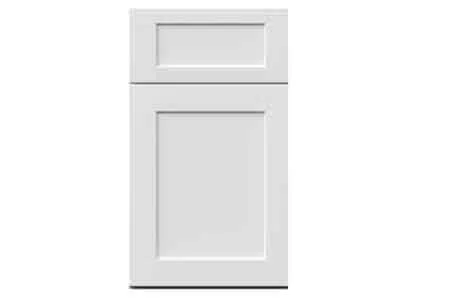
Shaker cabinet doors have a simple 5-piece design:
- A square frame
- A flat center panel that sits inside the frame
- No carvings or curves
They were created by the Shaker religious group in the 1700s. They believed in “useful over fancy.” Today, they work in white, gray, wood, or bold colors like navy. Their straight lines fit modern and cozy kitchens.
What Are Raised Panel Cabinets?
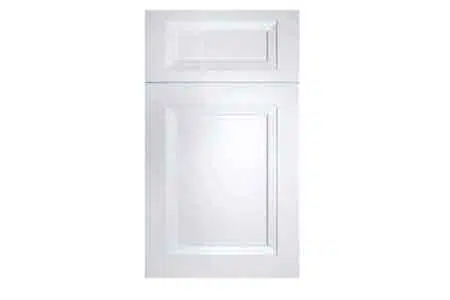
Raised panel cabinet doors also have 5 pieces, but:
- The center panel pushes outward
- Edges slope up like a picture frame
- Often has carved details
These cabinets started in grand Victorian-era homes. They show off wood grain best in stains like cherry or mahogany. Their fancy look suits traditional kitchens with chandeliers and vintage hardware.
Difference Between Shaker and Raised Panel Cabinet
Construction
Both shaker and raised panel can be designed into frameless and framed construction, while shaker doors work best with frameless cabinet construction to create modern kitchen, and raised panel doors work better with framed construction, because this kind of traditional look matches the formal style of raised panel doors.
Installation
We need to know is the shaker and raised panel cabinets are a specific design of cabinet doors, both attach in the same way to the cabinet frame
Maintenance
Shaker doors are much easier to clean than raised panel doors. The flat surfaces wipe clean with a damp cloth. No dirt or grease can hide in curves or grooves. While raised panel doors need more attention. Grease and dust collect in the curved areas around the raised panel. You need to clean these areas with a soft brush or a detailed cloth.
Cost
Shaker cabinets cost 15-25% less than raised panel cabinets, if they’re in the same material, construction, and size.
Design Styles
Shaker cabinets fit modern kitchens with stainless appliances or subway tiles. Raised panels match traditional spaces with chandeliers or antique hardware.
Molding
Shaker cabinets use simple and straight moldings (or none) for subtlety. Raised panels pair with ornate details, such as scalloped crown moldings, to amplify their ornate look.
Resale Value
Shaker has a broader appeal to potential buyers for their versatility. Raised panels add value only in historic neighborhoods where classic details matter.
Material
Both shaker and raised panels can be made of MDF, plywood, or solid wood, but avoid particleboard for raised panels—carved edges crumble.
Color and Finish Options
Shaker and raised panel can be customized into different colors and wooden grains by paints, laminates, veneer, and thermofoil. They’re same in this part.
How to Decide Between Shaker and Raised Panel Cabinets?
Ask yourself three questions if you’re hesitating to choose a shaker or rainsed panel.
1. Your Kitchen Style
Choose shaker if your kitchen has clean lines, open shelves, or a farmhouse sink. Pick raised panels if you own a historic home with arched doorways or crystal light fixtures.
2. Your Budget
Save money with shaker cabinets. Splurge on solid wood raised panels for luxury kitchens.
3. Maintenance Time
Shaker cabinets need quick weekly wipe-downs (30 seconds/door). Raised panels demand scrubbing grooves (2 minutes/door)—busy families save 10+ hours yearly with a shaker.
Conclusion
Shaker cabinets win for most homeowners. They cost less money, clean more easily, and work with more design styles. The simple design won’t look dated in 10 years. While choosing raised panels for traditional elegance, if your budget and cleaning time allow.
You May Also Be Interested:
1. What are the disadvantages of shaker cabinets?
They can look too plain in large kitchens. Add metal pulls, glass inserts, or two-tone colors for visual interest.
2. Are raised-panel kitchen cabinets outdated?
No—they’re timeless classics. Pair them with quartz countertops and modern hardware for a fresh take on tradition.
3. Are shaker cabinets high-quality?
Yes, when made with plywood or solid wood frames. Avoid MDF in humid areas (like near dishwashers) where it can swell.
4. Do shaker cabinets add value?
Yes. White shaker cabinets boost resale value by 3-5%. Buyers see them as move-in ready and low-maintenance.
 English
  German
  French
  Spanish
  Portuguese
  Turkish
  Dutch
Dutch